WordPress Performance · Yogi’s VPS
Improving Core Web Vitals: A Beginner’s Guide to Fixing Low PageSpeed Scores
If your PageSpeed Insights score is sitting in the 20s, 30s, or 40s, do not panic. This is very common, especially on WordPress sites running too many plugins, unoptimized images, or weak hosting.
The good news is that low scores are usually fixable. In many cases, you can move into the 70 to 90+ range by addressing the biggest bottlenecks first.
Step 1 – Focus on What Actually Matters
PageSpeed Insights can feel overwhelming, but you do not need to fix everything at once. Start with the performance signals that matter most:
- LCP – slow load usually points to hosting, large images, or delayed rendering
- INP – poor responsiveness often comes from heavy scripts or too many plugins
- CLS – layout shifts usually come from missing dimensions, fonts, or unstable page elements
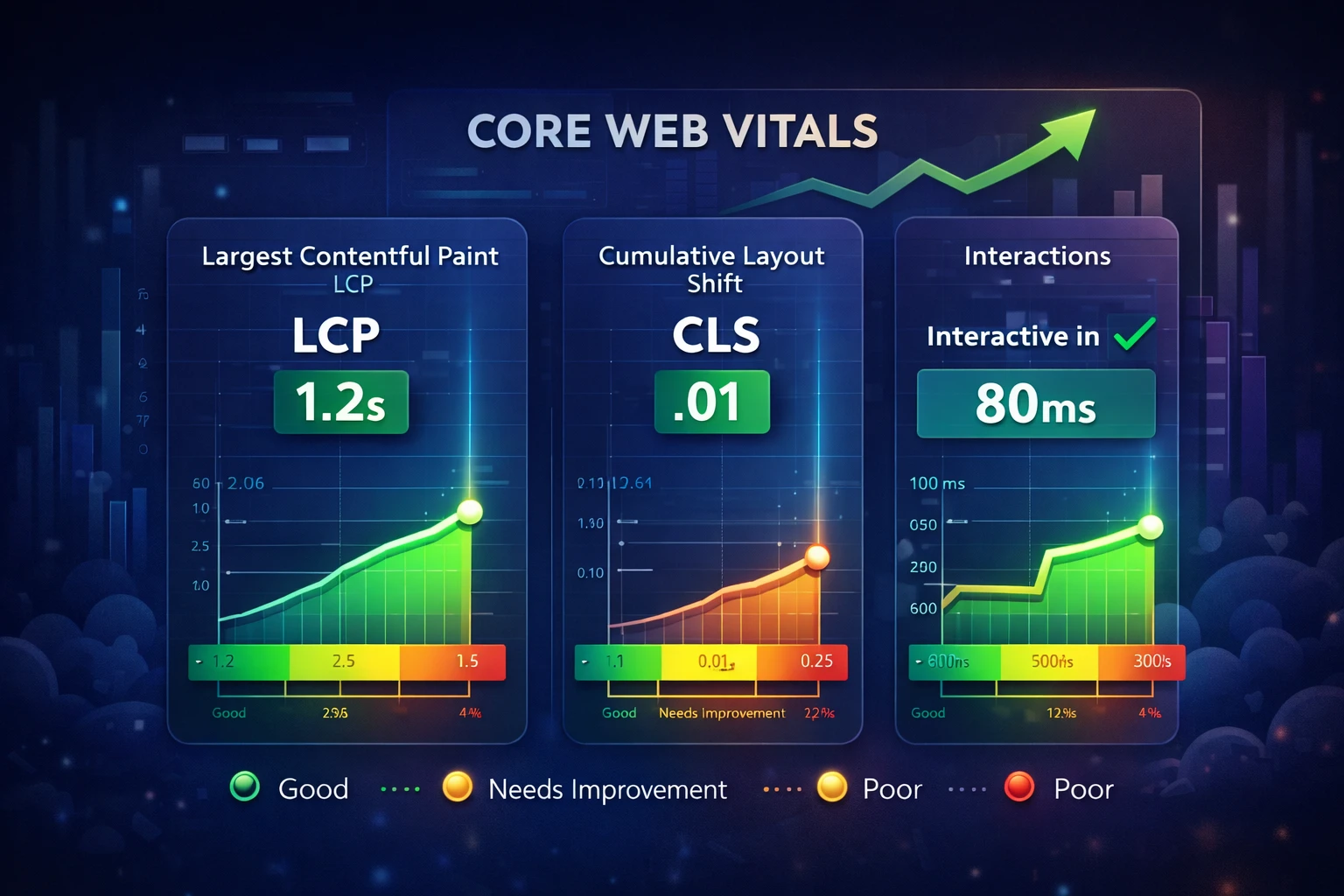
These are your Core Web Vitals, and they are directly tied to user experience and search visibility. If you want a full breakdown of how these metrics fit into a larger strategy, read our WordPress Performance Audit Guide.
Step 2 – Fix the Biggest Bottleneck First
Hosting
Hosting is one of the biggest reasons WordPress sites perform poorly. If your server responds slowly, everything else starts late.
This is exactly why slow hosting can hurt your rankings and why cheap WordPress hosting often damages SEO.

On Yogi’s VPS, we optimize server performance first so the rest of your improvements actually work. If you are comparing infrastructure options, this guide on managed WordPress hosting vs AWS will help you understand the difference.
Plugins
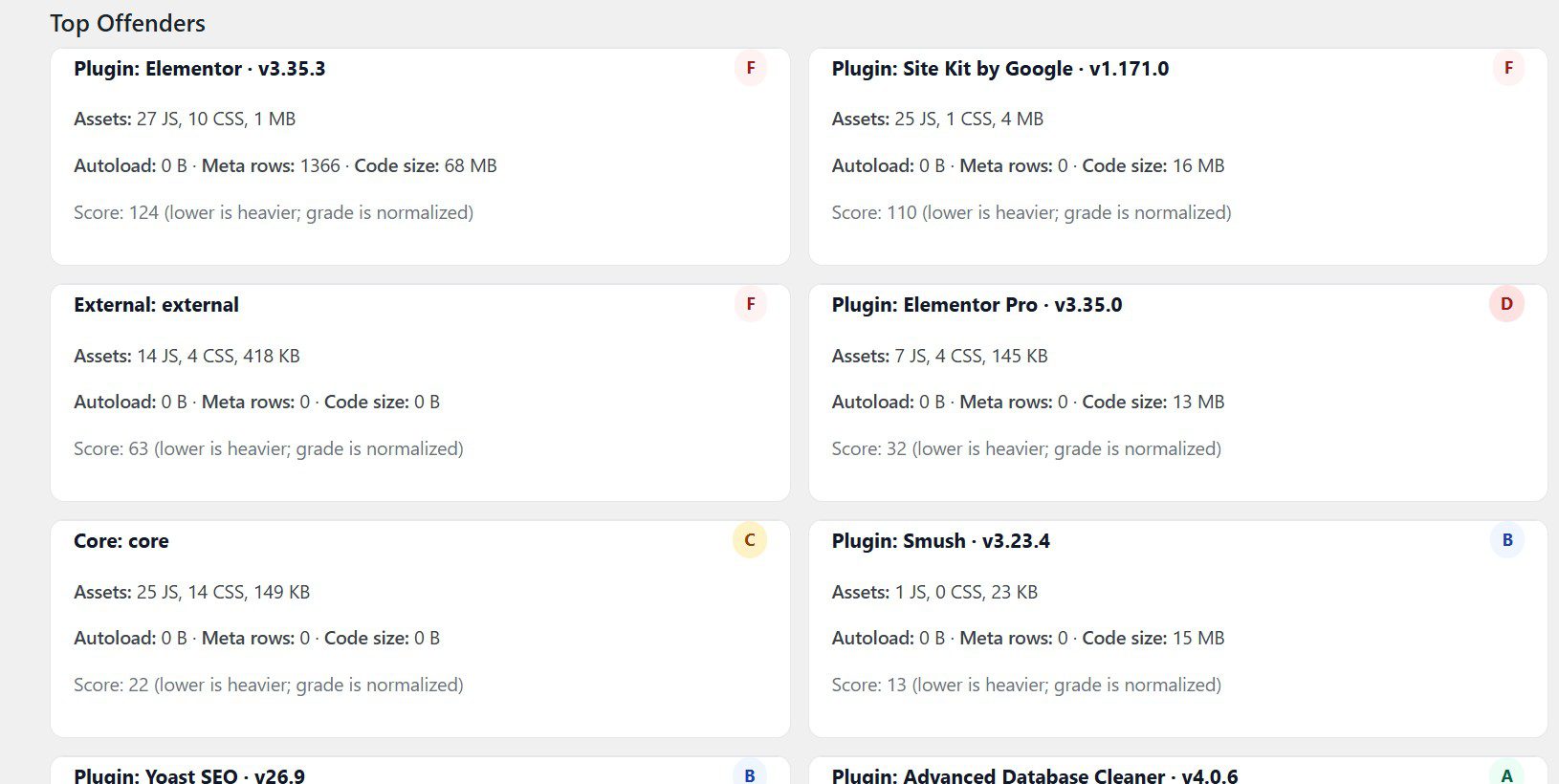
Plugin bloat is another major issue. Too many overlapping plugins increase load time, script weight, and database overhead.
- Remove duplicate functionality
- Stick to one builder when possible
- Avoid heavy sliders and animation plugins
- Audit plugins that load scripts sitewide
If your admin area feels sluggish too, you may also need to fix a slow WordPress dashboard.
Step 3 – Optimize Images
Large, uncompressed images are one of the most common reasons for poor LCP scores.
- Resize images before upload
- Use WebP when possible
- Enable lazy loading for below-the-fold images
- Use properly sized featured and hero images
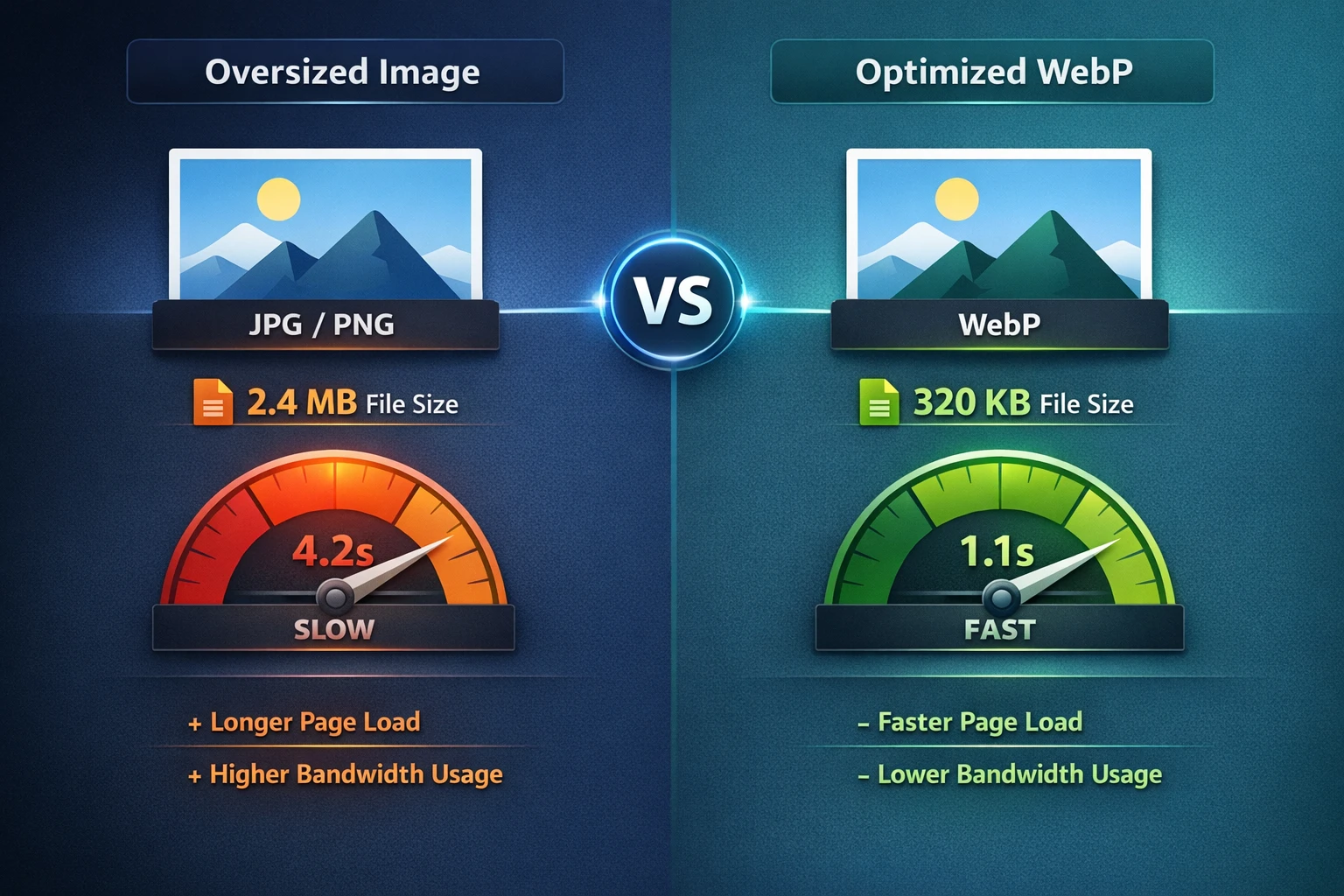
If your main content image is too large, your largest contentful paint will almost always suffer.
Step 4 – Add Caching
Caching is one of the biggest performance wins for WordPress when it is configured correctly. Start with one solid plugin and keep the setup simple.
- W3 Total Cache
- WP Rocket
- LiteSpeed Cache
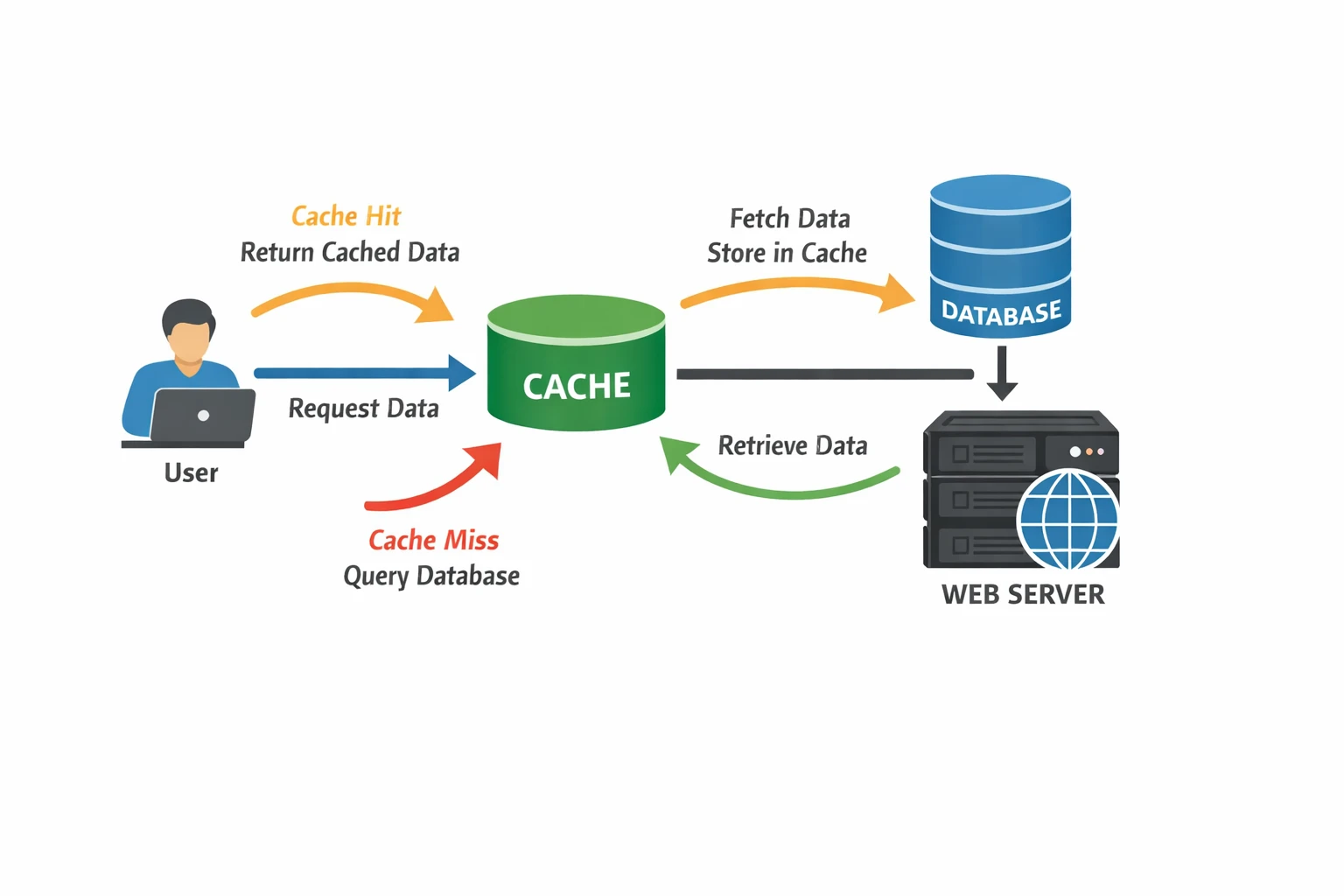
For a deeper breakdown, see our guide on choosing the right caching setup for your WordPress site.
Step 5 – Clean Up Scripts
Script bloat affects both loading speed and responsiveness. This is especially important for INP.
- Remove unused tracking scripts
- Limit the number of fonts and font weights
- Avoid heavy icon libraries when possible
- Reduce third-party embeds and chat widgets
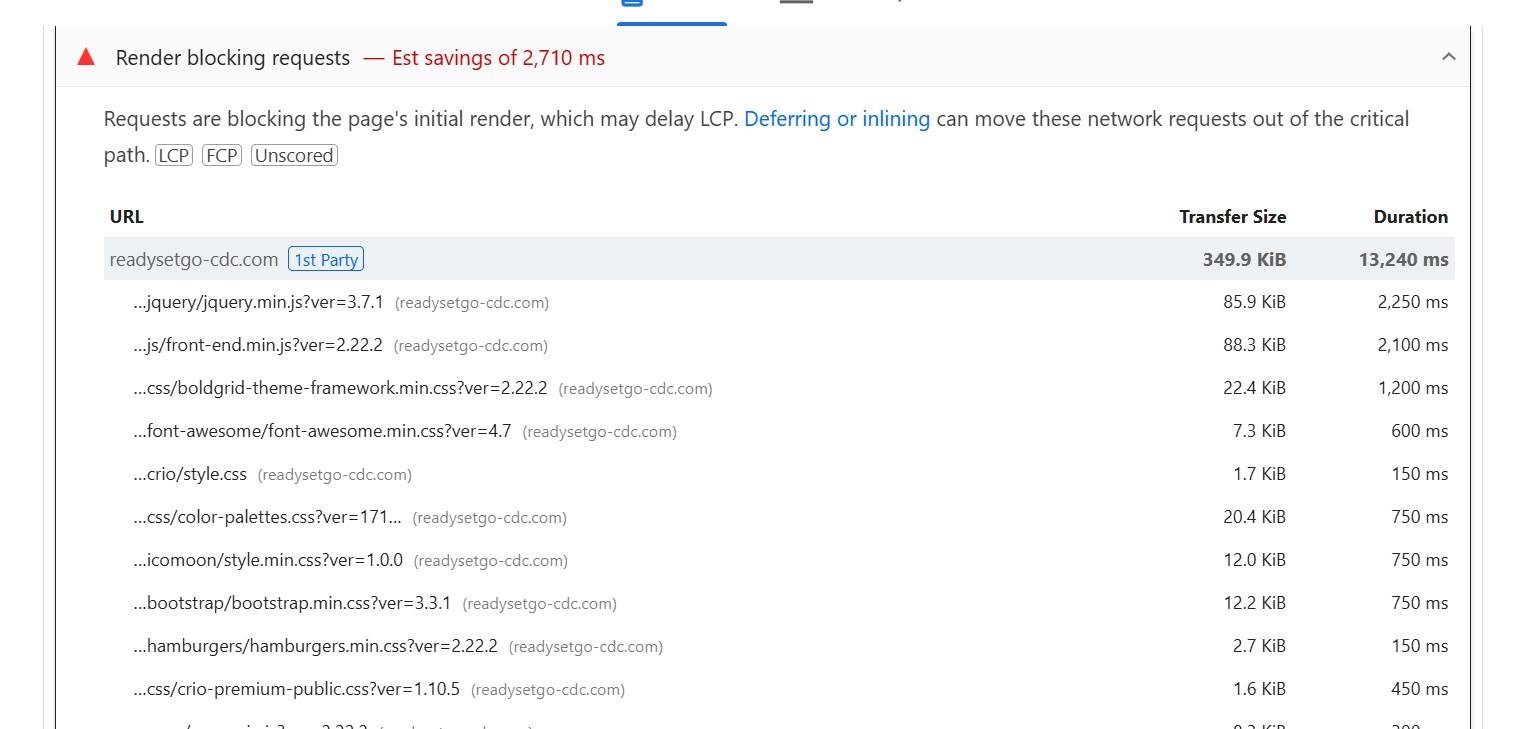
The more JavaScript your browser has to process, the more likely your site will feel slow to users.
Step 6 – Add a CDN
A CDN helps deliver static assets faster by serving them closer to your visitors. For most beginners, Cloudflare is the easiest place to start.
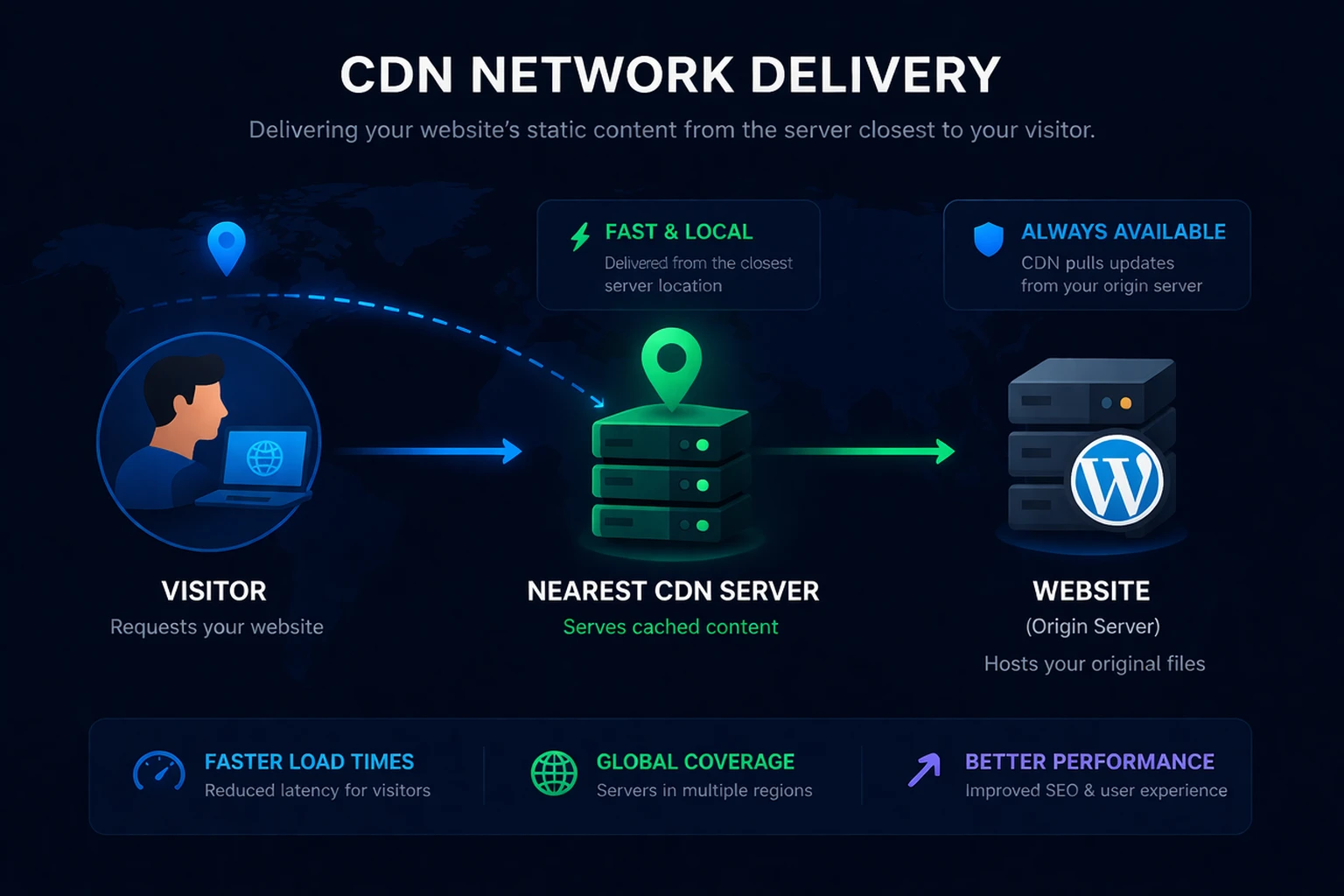
A CDN will not fix a bad server by itself, but it can support better overall performance when combined with solid hosting and caching.
Step 7 – Follow a Simple Checklist
If you are not sure where to begin, use this order:
- Run PageSpeed Insights
- Identify LCP, INP, and CLS issues
- Clean up unnecessary plugins
- Optimize images
- Add caching
- Reduce script weight
- Add a CDN
- Review hosting if the site is still slow
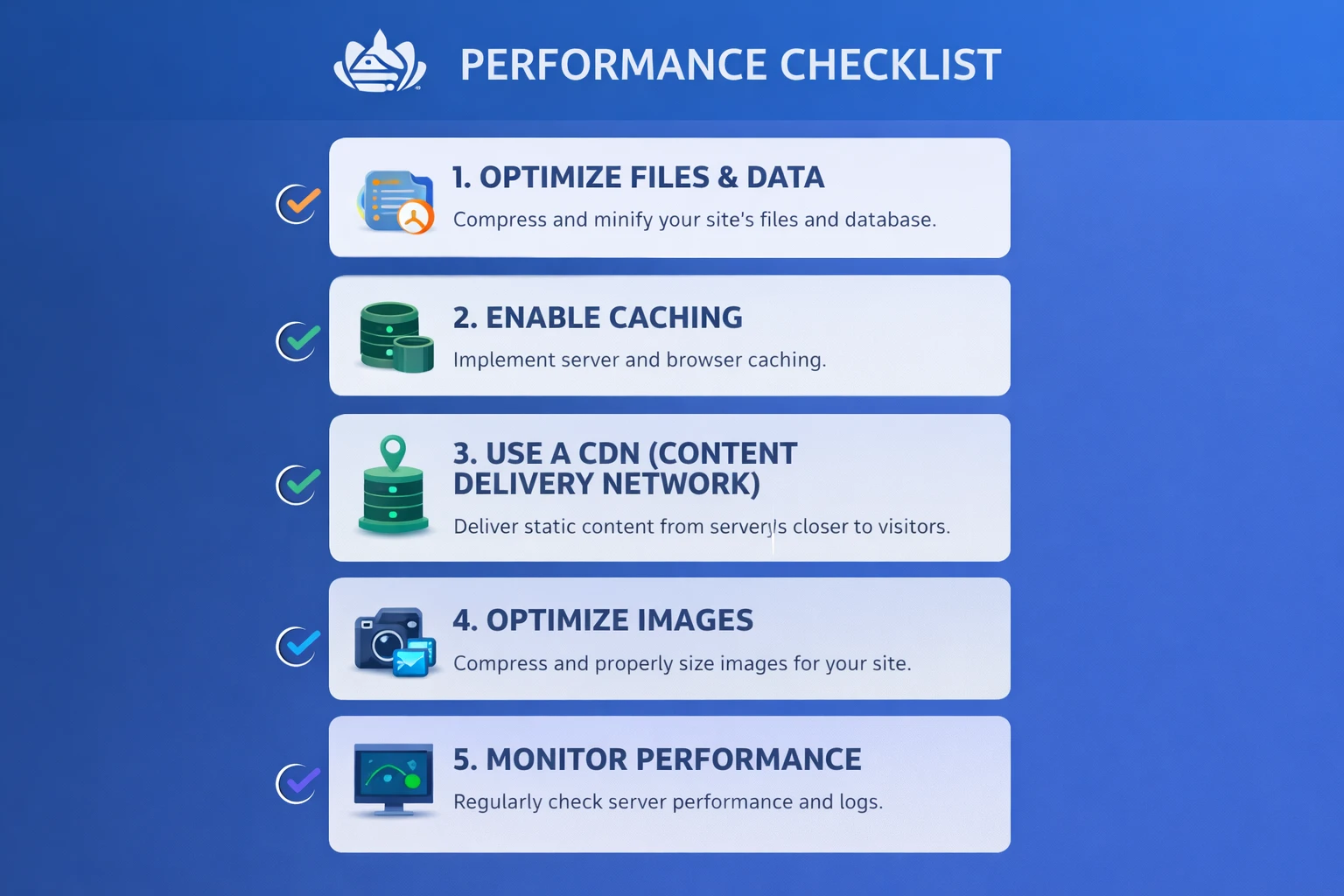
If your score is still low after doing the basics, the issue is often deeper than plugins or images. That usually points back to hosting, database performance, or infrastructure.
When You Need More Than a Quick Fix
Sometimes the problem is not just PageSpeed. It is the full performance stack: hosting, caching, plugins, database queries, and theme efficiency all working against each other.
That is why we recommend looking at the full picture instead of chasing isolated PSI recommendations one by one.
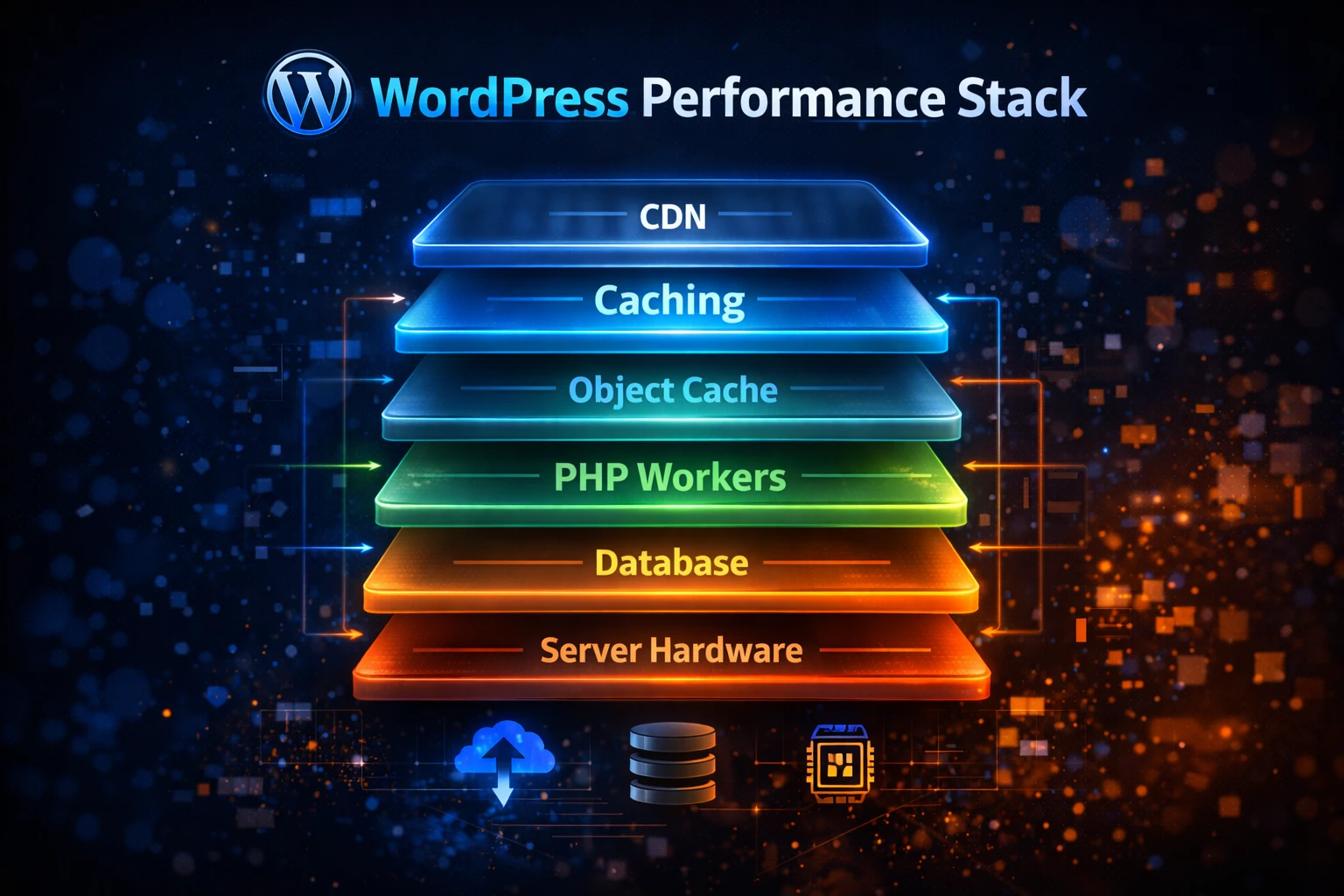
If you are dealing with low scores, weak Core Web Vitals, and slow overall performance, start with a proper WordPress site audit so you know what is actually holding the site back.
Want Us to Fix This For You?
We handle hosting, optimization, caching, and performance tuning together so your site is fast where it matters most.
Get a Free Audit →