Hosting Comparison · Yogi’s VPS
Kinsta vs Yogi’s VPS
Which is better for WordPress performance, SEO, scalability, and real long-term support?

Kinsta is one of the best-known names in managed WordPress hosting. They have a polished dashboard, strong branding, and solid infrastructure. But once you get beyond the sales layer, the real question becomes simple.
Are you paying for true performance and support, or are you paying premium pricing for a hosting product that still leaves the hardest work up to you?
That is where the difference between Kinsta and Yogi’s VPS becomes much clearer.
Kinsta Is Strong Hosting, But It Is Still Mostly Hosting
To be fair, Kinsta is not low-quality hosting. Their entry plans include useful features like backups, free migration, CDN bandwidth, and a clean dashboard experience. Their standard plans also state that each live site container has access to 12 CPUs and 8 GB of RAM by default, while staging environments get access to 1 CPU and 8 GB of RAM.
Kinsta CPU and RAM Allocation

On paper, this sounds strong. But real WordPress performance depends on much more than headline infrastructure numbers.
What really matters is how your site performs with your theme, your plugins, your traffic patterns, your WooCommerce setup, your staging workflow, and your SEO goals.
The Real Issue: Limits, Add-Ons, and Forced Upgrades
Kinsta’s positioning sounds premium, but once you look deeper, many important capabilities are either constrained or sold separately.
Kinsta Add-Ons Tell the Story
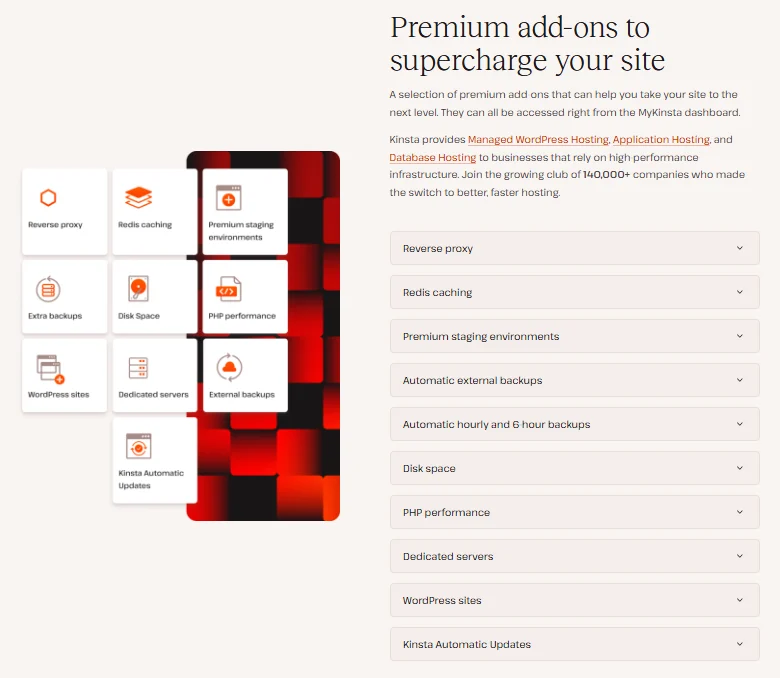
Redis caching, premium staging, reverse proxy support, extra backups, extra disk space, and PHP performance upgrades are all examples of where the real cost can climb fast.
What starts happening
- resource ceilings appear
- performance becomes conditional
- site growth pushes you into upgrades
- important features cost extra
What that means for owners
- higher total monthly cost
- less flexibility
- more troubleshooting pressure
- less predictable scaling
PHP Limits Can Hurt Dynamic WordPress Sites
Dynamic sites do not just need decent servers. They need room to process real uncached requests efficiently. Many Kinsta plans include a 256MB PHP memory limit per thread by default, with 512MB only appearing on much higher plans.
PHP Memory Limits by Plan

Lower PHP memory limits can create problems for WooCommerce, admin processes, larger plugins, and heavier page-builder environments.
PHP Workers and Thread Limits Matter
PHP workers determine how many uncached requests your site can handle at the same time. This matters heavily for stores, logged-in users, membership sites, campaigns, and checkout activity.
Kinsta PHP Worker Constraints
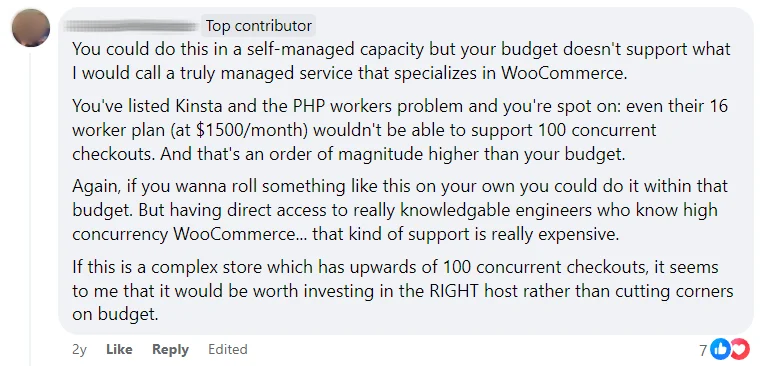
Once concurrency becomes a factor, worker limits can become a bottleneck very quickly.
Thread and Memory Breakdown
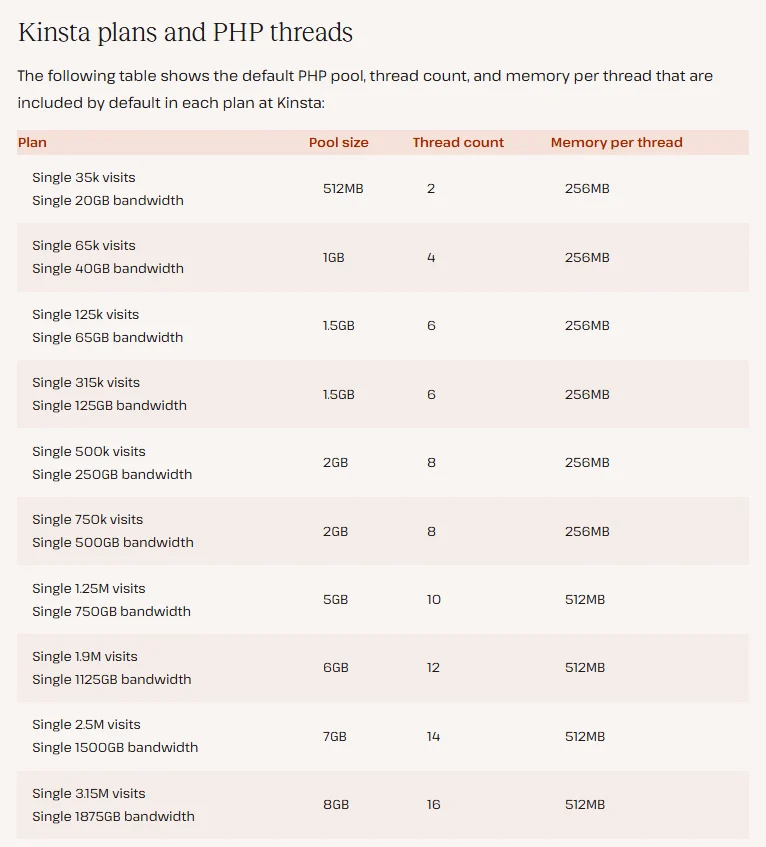
The plan structure makes it easier to see that performance ceilings are often built into tiers instead of being tailored to the real needs of the website.
Staging Should Help You Develop Safely
Staging is where updates, redesigns, QA, and troubleshooting should happen safely. Kinsta states that standard staging environments get 1 CPU core by default, while stronger staging requires an upgrade.
Kinsta Staging Limits
That matters because weak staging makes performance testing and safer development harder when it matters most.
Redis and Other Performance Features Cost Extra
One of the screenshots you shared shows Redis caching as a $100 per month add-on. That is a major detail for dynamic sites that actually benefit from object caching.
Redis Is a Paid Add-On
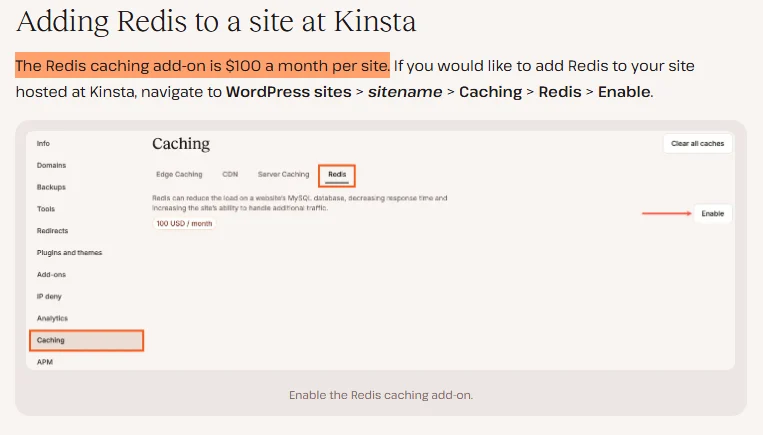
This is one of the biggest reasons many businesses eventually outgrow packaged hosting plans. The starting price sounds manageable, but serious performance needs change the total quickly.
Cloudflare Integration Is Not the Same as Full Cloudflare Control
Kinsta includes Cloudflare integration, but the review information you shared points out meaningful feature gaps, including lack of Argo Smart Routing support.
Cloudflare Feature Limitations
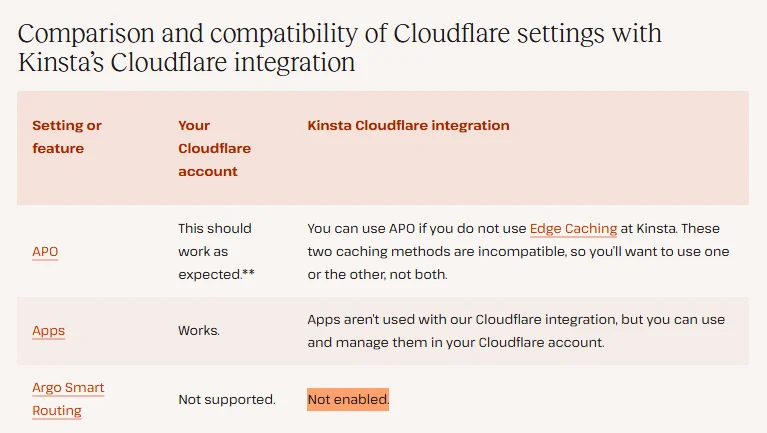
For performance-focused sites, especially those concerned with TTFB and dynamic page speed, this matters a lot more than most people realize.
DNS Performance Comparison
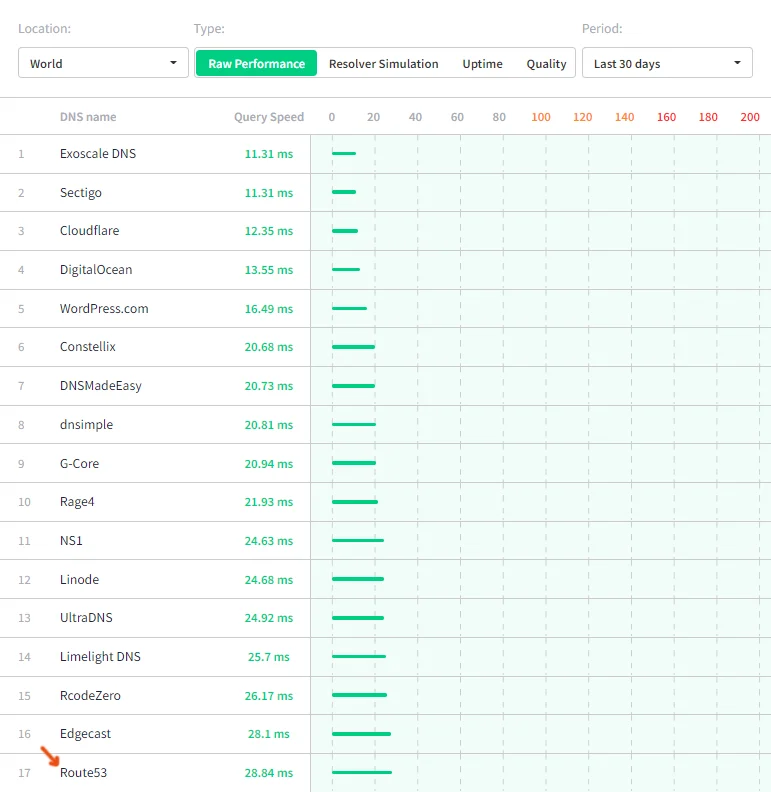
Hosting performance is a full-stack issue. DNS, CDN behavior, caching, server tuning, and application optimization all work together.
Kinsta Pricing Looks Simpler Than It Really Is
At first glance, the lower-tier Kinsta plans look clean and attractive. But once you need more storage, better PHP performance, stronger staging, object caching, or deeper support, the real cost picture starts changing.
Kinsta Plan Comparison
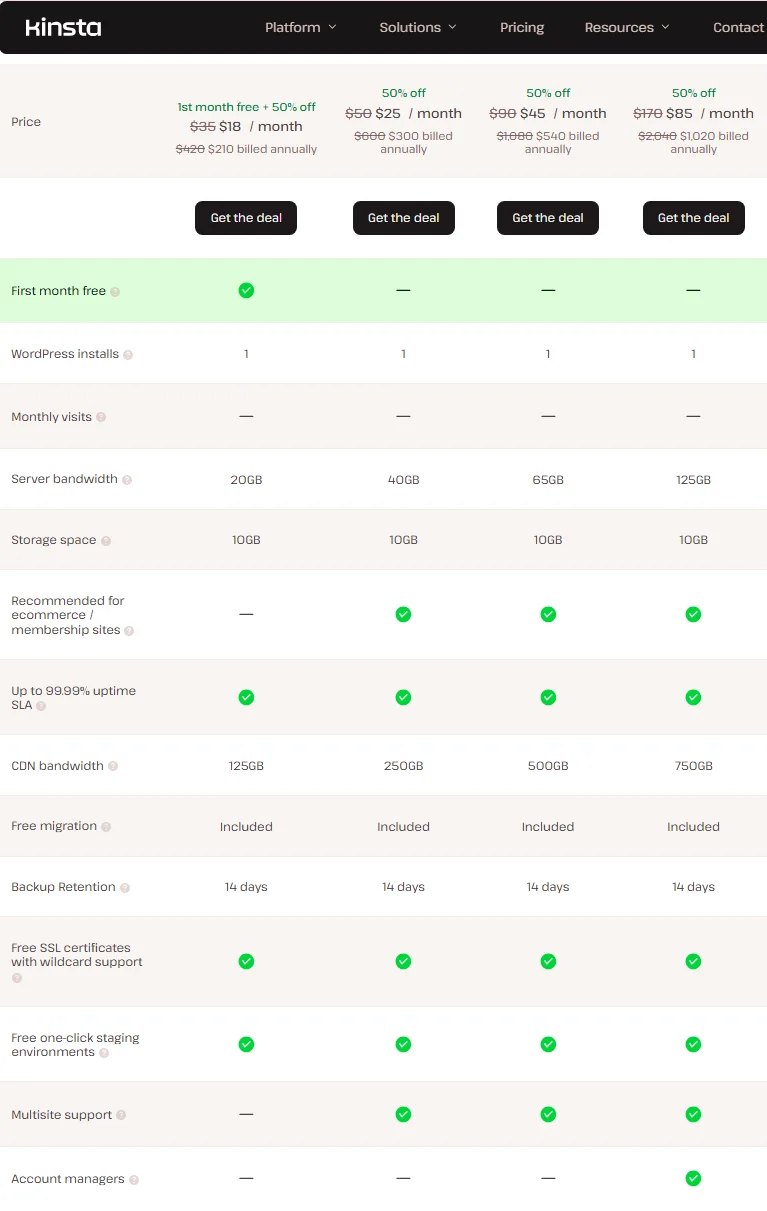
The issue is not that the plans are bad. The issue is that they can make it seem like everything important is already handled when many meaningful performance improvements still sit outside the base price.
What it looks like
$35 to $45 hosting vs $150 hosting
What it really is
$35 to $45 hosting + add-ons + dev costs + maintenance + troubleshooting
vs
$150 managed environment with performance and support built in
Why Yogi’s VPS Is Different
Yogi’s VPS is not built around fitting your site into a narrow plan tier. It is built around giving your site a stronger environment and supporting its actual growth.
What you get
- VPS-level hosting
- hands-on WordPress maintenance
- real troubleshooting support
- performance optimization
- migration and rebuild support
- cleaner development workflow
What we look at
- theme bloat
- plugin weight
- Core Web Vitals issues
- caching opportunities
- SEO risk during updates
- stability over time
Most hosting companies optimize for their margins. We optimize for your performance and growth.
Bottom Line
If you only want a recognizable hosting company with a polished dashboard, Kinsta may be a reasonable choice.
But if your goal is to improve WordPress performance, support SEO growth, maintain long-term stability, and have someone actively helping keep the site strong over time, Yogi’s VPS is the better fit.
Free Performance Review
Get a Free WordPress Performance Audit
We’ll review your current setup, identify the biggest bottlenecks affecting speed and SEO, and show you what it would take to improve performance the right way.
Start Your Free Audit